


News
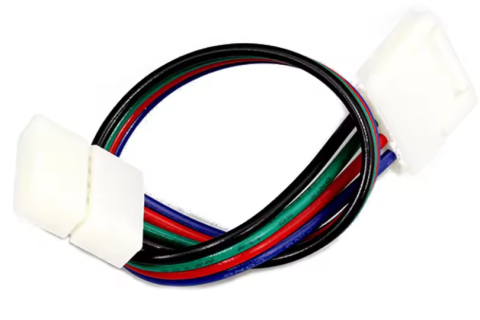
The main difference between a wire harness and a cable assembly is how they are made and used. A wire harness puts many wires together in one bundle. A cable assembly joins wires or cables into one unit and often adds extra protection. Picking the right one is important. Your choice affects how well things work, how long they last, and how much they cost. In cars and electronics, picking the wrong one can make things break or stop working.
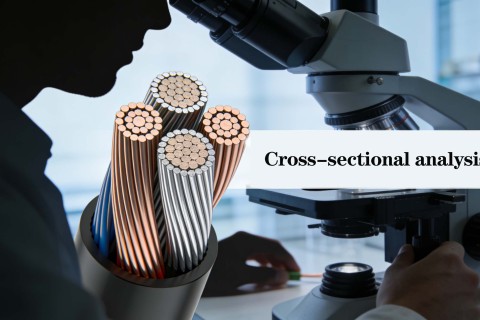
For any business involved in electronics, automotive, aerospace, or industrial manufacturing, understanding and adhering to wire harness crimping standards is non-negotiable. These standards define the precise methods for creating reliable mechanical and electrical connections between wires and terminals. For your independent brand, demonstrating expertise in these protocols is a powerful way to build professional trust with global clients. This guide breaks down the multi-layered framework of crimping standards, from universal guidelines to industry-specific mandates.

You want each step in Wire Harness Manufacturing to work well. Customer design files and special software help make things exact and fast. When you use machines to do jobs, you save a lot of time. The table below shows how digital tools and machines help make work better and faster. Top companies like Xiamen Kehan Electronics use these smart ways to get great results.
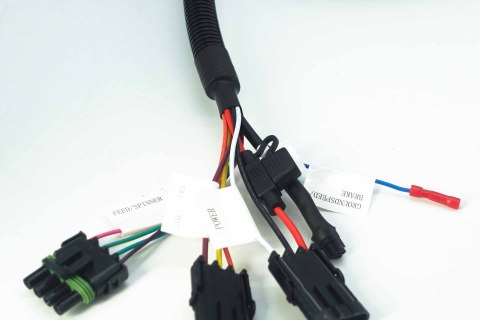
Cable Assembly (or cable harness, wiring loom) is a self-contained, integrated unit that combines multiple electrical cables, wires, or optical fibers into a single, organized bundle for a specific application. It's more than just a bundle of wires; it's a complete, ready-to-install solution.
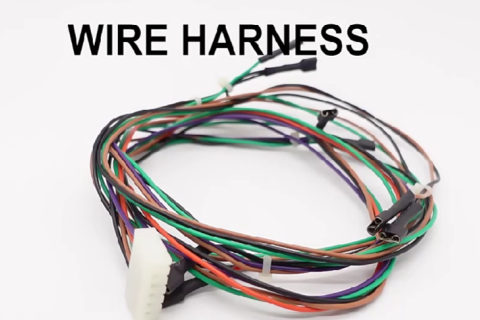
To pick a good cable assembly manufacturer in China, you should look at some important things: Certifications and compliance Quality control processes Manufacturing capabilities Clear communication After-sales suppor
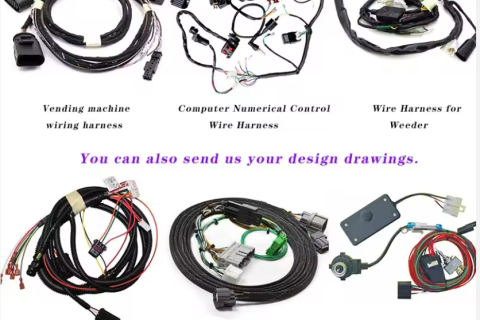
Picking the right custom wire harness manufacturer is important. It helps your project stay safe, work well, and last a long time.
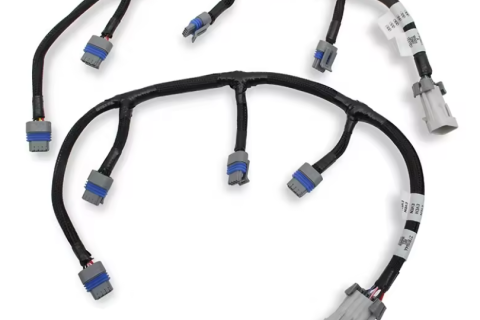
You will find five main types of wire harnesses. These are automotive, industrial, aerospace, medical, and custom or specialty. A wire harness keeps many wires together and safe. It sends power or data between parts. It also protects wires from water and damage. This makes things safer and less messy. It also helps electrical systems work better and last longer.
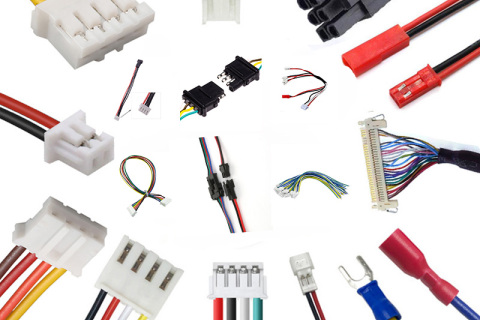
Wire harness connectors are ubiquitous yet often overlooked, serving as the indispensable "joints" and "bridges" within modern electrical systems. They prevent damage from incorrect wiring and ensure the orderly transmission of complex signals, such as data buses.
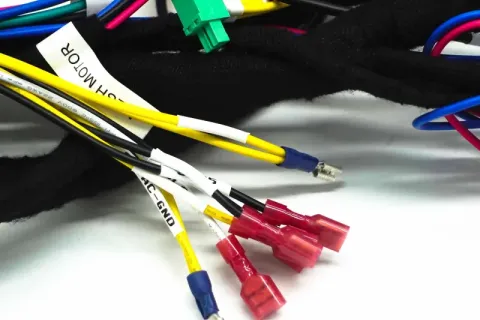
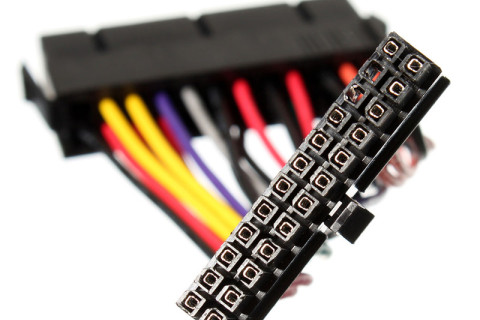
Flexible circuits have revolutionized the modern electronics industry, offering lightweight and bendable properties that bring unprecedented flexibility to product design. However, the termination technology used for flexible circuits directly impacts their reliability and service life. This article provides an in-depth analysis of three mainstream termination methods for flexible circuits: Zero Insertion Force (ZIF) Connectors, Unsupported Flexible Finger Structures, and Crimp-style Connectors, while also exploring the critical role of stiffeners in termination design.