


- Home
- >
News
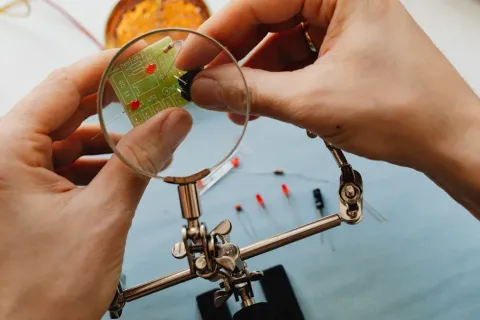

Abstract: In high-speed, high-density modern electronic systems, cable assemblies have evolved from simple conductive pathways into critical factors affecting overall system performance and reliability. This article aims to provide an in-depth technical guide that goes beyond basic operational steps, delving into the engineering principles, materials science, and quality control points behind shielding grounding processes. It offers a systematic reference for designing highly reliable, high Electromagnetic Compatibility (EMC) interconnection solutions.
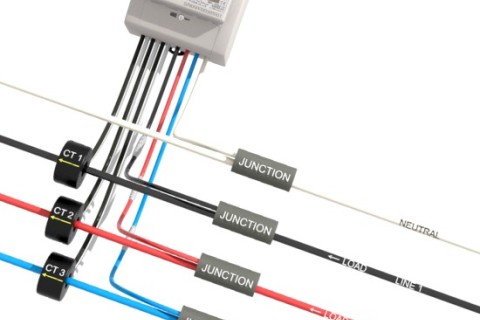
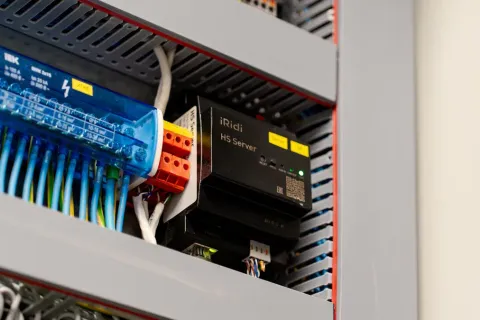
Abstract: Electrical connectors serve as the critical bridges for signal transmission, power delivery, and subsystem interconnection within electronic and electrical systems. Their widespread application across aerospace, defense, maritime, automotive, and industrial sectors makes long-term reliability a paramount concern for end-users. Industry studies indicate that up to 70% of electronic system failures originate from component-level issues, with connectors being responsible for nearly 40% of these component-related failures. This underscores the critical importance of connector reliability. This paper provides a systematic analysis of prevalent electrical connector failure modes, drawing on field data and failure analysis reports. It details underlying mechanisms and proposes a comprehensive framework of mitigation strategies and best practices to enhance connector performance and system integrity.
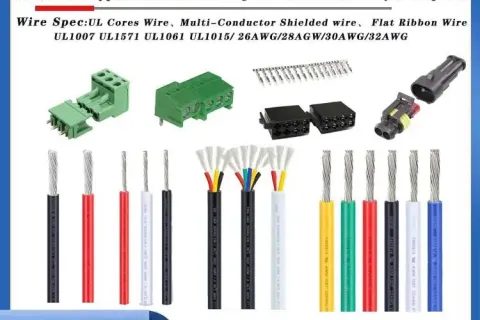
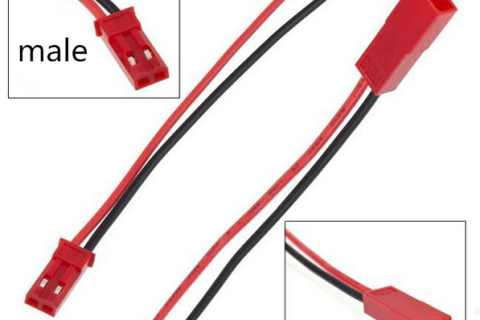
In the precise engineering field of wire harness manufacturing, terminal connections are the critical link determining the reliability, safety, and long-term stability of an entire electrical system. Whether it's an automotive wiring harness for the engine bay, an industrial equipment harness for factory automation, a medical device wire harness, or a new energy vehicle high-voltage harness, different connection methods are suited to specific application scenarios and stringent requirements. As a professional wire harness and connector manufacturer with years of industry experience, KeHan Electronics (KeHan Electronics) deeply understands the essence of each connection technology and translates it into the cornerstone for ensuring the excellent performance of our clients' products. This article will systematically analyze various wire harness connection methods and delve into how advanced processes, represented by crimping, provide flawless connection solutions for your custom wire harness projects through scientific management and precise control.
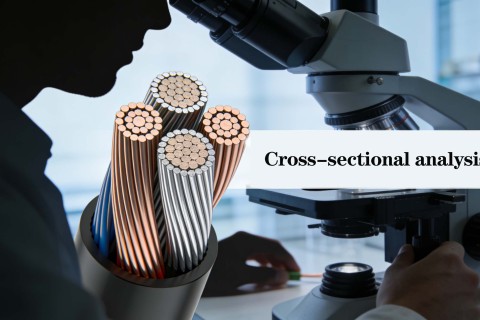
For any business involved in electronics, automotive, aerospace, or industrial manufacturing, understanding and adhering to wire harness crimping standards is non-negotiable. These standards define the precise methods for creating reliable mechanical and electrical connections between wires and terminals. For your independent brand, demonstrating expertise in these protocols is a powerful way to build professional trust with global clients. This guide breaks down the multi-layered framework of crimping standards, from universal guidelines to industry-specific mandates.
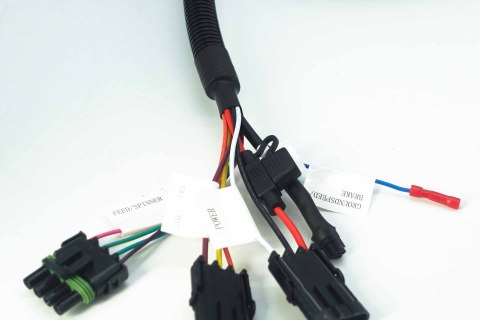
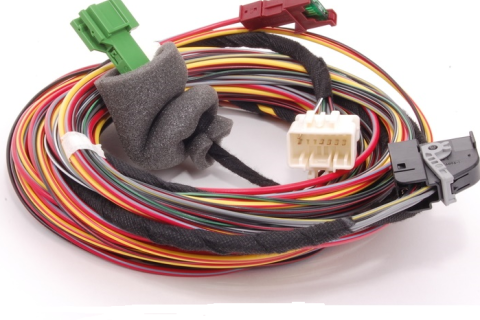
Cable Assembly (or cable harness, wiring loom) is a self-contained, integrated unit that combines multiple electrical cables, wires, or optical fibers into a single, organized bundle for a specific application. It's more than just a bundle of wires; it's a complete, ready-to-install solution.
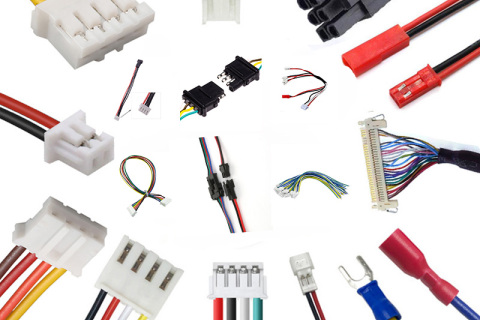
Wire harness connectors are ubiquitous yet often overlooked, serving as the indispensable "joints" and "bridges" within modern electrical systems. They prevent damage from incorrect wiring and ensure the orderly transmission of complex signals, such as data buses.
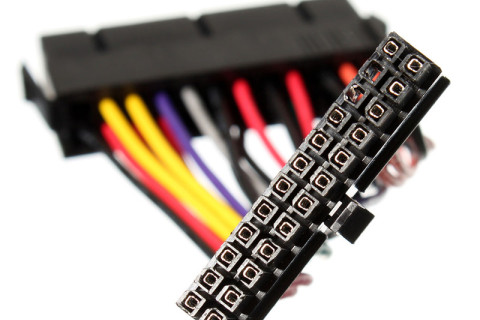
Flexible circuits have revolutionized the modern electronics industry, offering lightweight and bendable properties that bring unprecedented flexibility to product design. However, the termination technology used for flexible circuits directly impacts their reliability and service life. This article provides an in-depth analysis of three mainstream termination methods for flexible circuits: Zero Insertion Force (ZIF) Connectors, Unsupported Flexible Finger Structures, and Crimp-style Connectors, while also exploring the critical role of stiffeners in termination design.
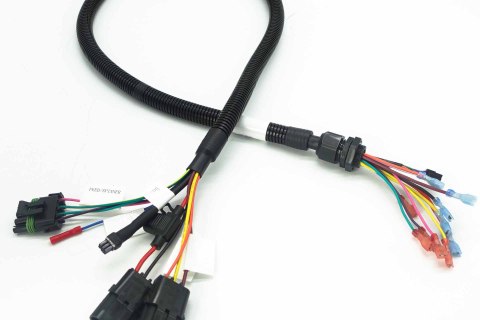
In the field of electronic wiring harness manufacturing, new brands are continuously emerging, creating a dynamic market landscape. However, the quality of products and services can vary significantly. True gold withstands the test of fire. Xiamen Kehan Electronics has been deeply rooted in the industry for over a decade and continues to earn customer trust by consistently cultivating and adhering to its core competencies. Today, we would like to share the fundamental reasons why Kehan has stood out in the competitive market and achieved steady growth.