

- Home
- >
- News
- >
- Industry Knowledge
- >
News
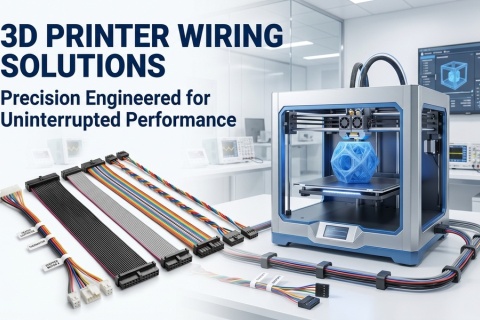
Precision-engineered wiring harnesses for desktop 3D printers, industrial FDM systems, SLA/MSLA resin printers, and large-format additive manufacturing platforms — built to your exact specs, from prototype to mass production.
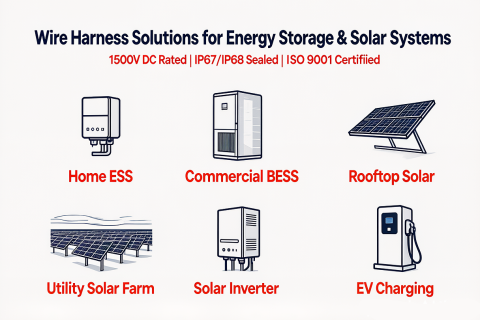
OEM/ODM Wire Harness Manufacturing for Battery Energy Storage Systems, Off-Grid Solar, Residential ESS, and Commercial PV Installations
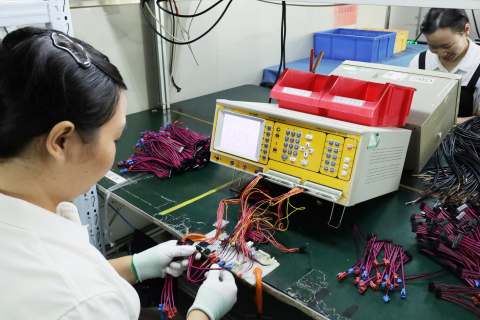
Wire Harness Testing & Inspection: How We Ensure Every Harness Ships Flawless A behind-the-scenes look at our testing equipment, inspection workflow, and why 100% manual inspection is non-negotiable for custom wire harnesses ✔ 100% Electrical Test on Every Unit | ✔ Full Manual Visual Inspection | ✔ Crimp Pull-Force Verified | ✔ ISO 9001:2015 Certified Lab
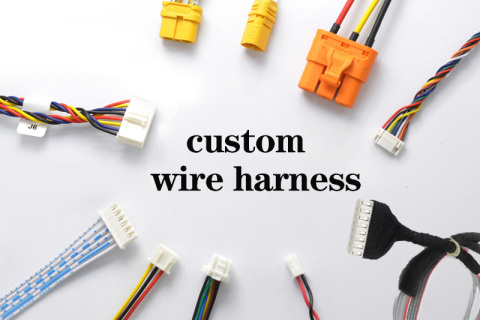
How We Go From Your Drawing to Delivered Harnesses — Transparently, Efficiently, and Without Surprises ✓ ISO 9001:2015 Certified | ✓ Free DFM Review | ✓ Prototype in 7–10 Days | ✓ MOQ from 100 pcs
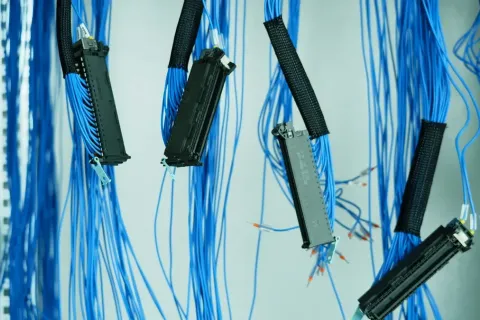
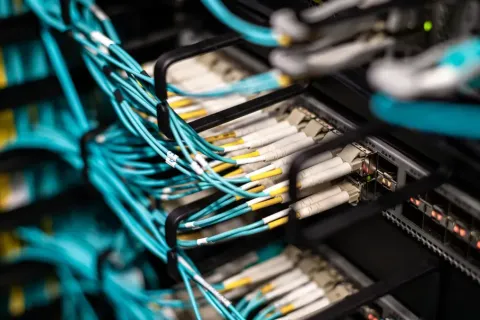
1. Why Display Harnesses Demand a Specialized Supplier Small and medium displays — from 3.5-inch industrial HMI panels to 21.5-inch medical monitors — sit at the intersection of high-speed signal transmission, mechanical durability, and strict EMC compliance. The wire harness connecting your display to its driver board, backlight inverter, or system controller is not a passive cable; it is an active part of your signal chain.