


- Home
- >
News
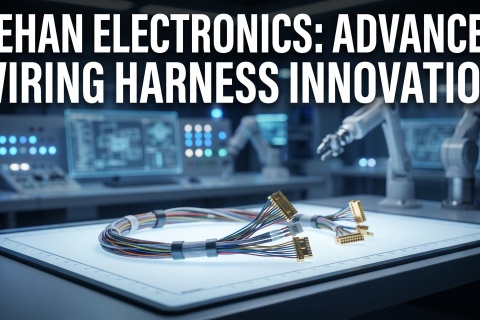
1. Why Display Harnesses Demand a Specialized Supplier Small and medium displays — from 3.5-inch industrial HMI panels to 21.5-inch medical monitors — sit at the intersection of high-speed signal transmission, mechanical durability, and strict EMC compliance. The wire harness connecting your display to its driver board, backlight inverter, or system controller is not a passive cable; it is an active part of your signal chain.
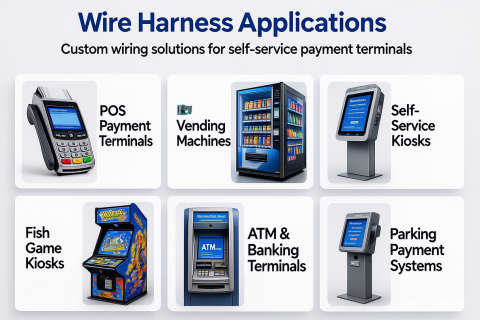
Custom Wiring Harness Solutions for Self-Service Kiosk & Payment Terminal Manufacturers Case Studies: How We Help POS Machine, Vending Machine & Fish Game Kiosk Manufacturers Scale with Reliable, Custom-Built Wire Harnesses
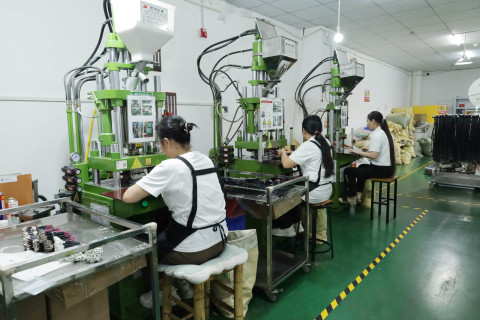
1. What Is Wire Harness Overmolding? Wire harness overmolding (also called connector overmolding, cable overmolding, or insert molding) is a manufacturing process in which a thermoplastic or thermoset resin is injection-molded directly over a pre-assembled wire harness, connector, or cable termination. The result is a seamless, integrated assembly where the plastic shell, wires, and connectors are permanently fused into a single, robust component. Unlike traditional connector housings that are mechanically crimped or snapped onto a wire, overmolding creates a chemically and mechanically bonded interface. This eliminates gaps, entry points for moisture, and mechanical stress concentrations — making it the method of choice for demanding environments in automotive, industrial, marine, and outdoor electronics applications.
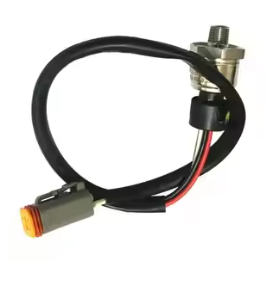
You need a Custom Refrigerator Wire Harness to link all electrical parts in your appliance. The best harness helps make products faster and better. Top companies like Xiamen Kehan Electronics give you a harness made just for you. Look at the table below to see how making things special and checking quality help make products safe and reliable:
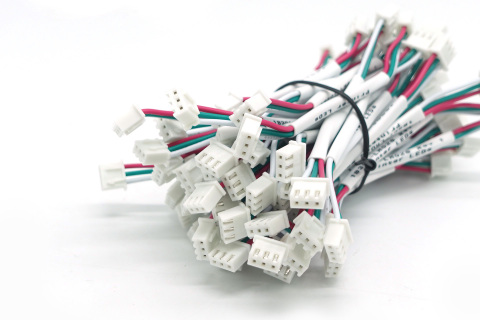
1. What Is a Wire Harness? A wire harness — also known as a wiring harness, cable harness, or wiring loom — is an organized set of wires, cables, and connectors that transmit electrical power and signals throughout a machine, vehicle, or electronic system. By bundling multiple wires into a single assembly, a wire harness dramatically reduces installation time, minimizes the risk of short circuits, and ensures consistent, reliable electrical performance. Modern wire harnesses are engineered to precise specifications. Every conductor gauge, insulation material, terminal type, and routing path is determined during the design phase to meet the exact electrical and mechanical requirements of the end application — whether that's a passenger vehicle, an industrial robot, a piece of medical equipment, or a commercial aircraft.
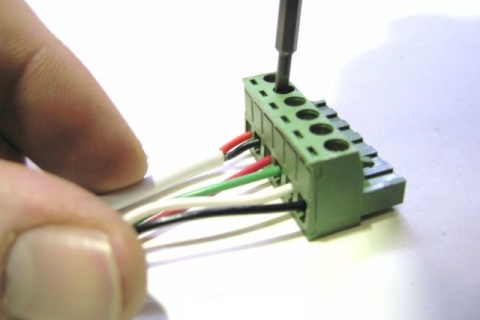
Definition and Overview Multi-port connectors integrate multiple coaxial contacts into a single connector module, enabling higher interconnection density while reducing installation time. These connectors also reduce overall system footprint and complexity. When selecting a multi-port connector, factors such as required frequency range, signal integrity, and space constraints must be considered – these are key elements for application-specific selection.
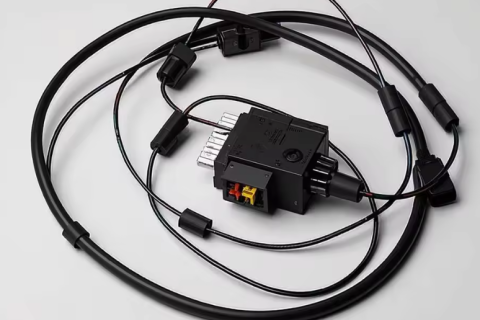
You need a Custom Refrigerator Wire Harness to link all electrical parts in your appliance. The best harness helps make products faster and better. Top companies like Xiamen Kehan Electronics give you a harness made just for you. Look at the table below to see how making things special and checking quality help make products safe and reliable:
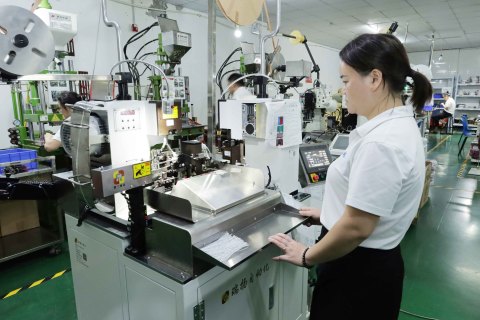
In the wire and cable processing industry, stripping is the "throat" of all operations. If this step is not done right, subsequent processes like crimping, soldering, and assembly become impossible. If we compare stripping to "undressing," then the conductor is the delicate "skin." Many times, a difference of just 0.01 mm in cutting depth can turn a perfect wire into a damaged reject — with nicked strands, broken wires, necking, and more. So, how do you strip insulation cleanly without damaging the copper underneath? This is not just about adjusting machine parameters — it is an art of micro-manipulation involving mechanics, geometry, and materials.