


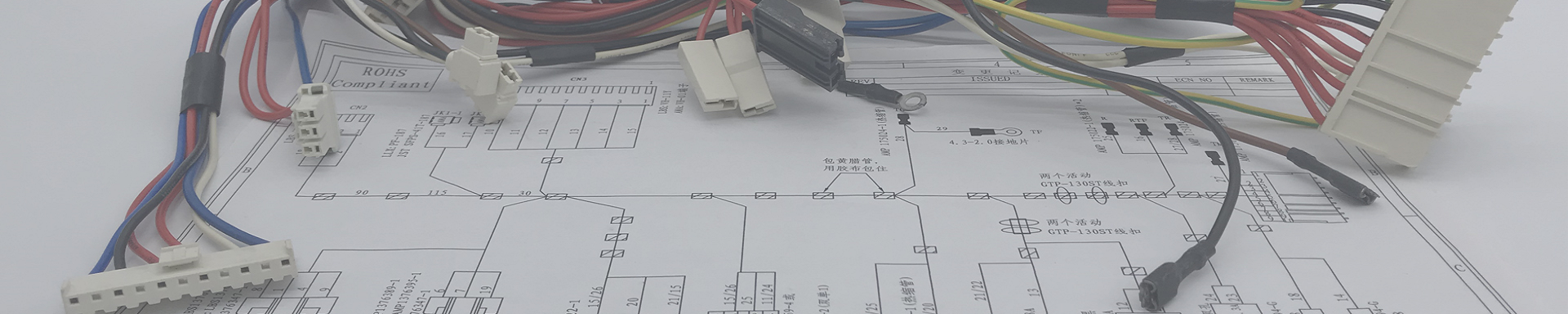
Custom Refrigerator Wire Harness: From Design to Mass Production
2026-04-18 14:16You need a Custom Refrigerator Wire Harness to link all electrical parts in your appliance.
The best harness helps make products faster and better.
Top companies like Xiamen Kehan Electronics give you a harness made just for you.
Look at the table below to see how making things special and checking quality help make products safe and reliable:
Key Takeaways
Custom refrigerator wire harnesses link all electrical parts safely. They also help the appliance work better. Designing a harness means you must know what the appliance needs. You need to pick the right materials. You also have to work with engineers. Making a prototype and testing it many times helps find problems early. This saves both time and money. Strict tests and certifications make sure the harness is safe and high quality everywhere. Careful planning before production uses custom tools and good supply chains. This makes mass production work well. Training workers and checking their work lowers mistakes. It also keeps harness quality high during assembly. Flexible production systems can change fast. They can handle new designs and more or fewer products. This helps meet what the market wants. After production, support like troubleshooting and feedback is important. It helps make the harness more reliable and keeps customers happy.
1. Custom Refrigerator Wire Harness Design
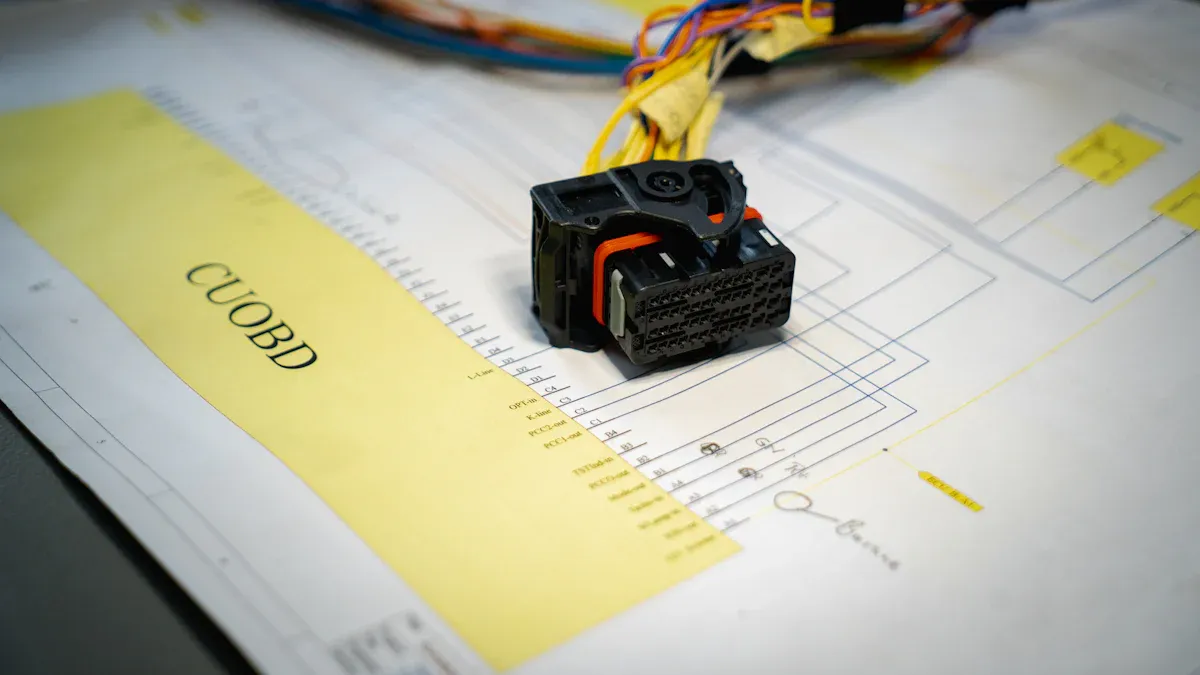
Requirements
Appliance Needs
When you design a Custom Refrigerator Wire Harness, you first look at what your refrigerator needs. Each refrigerator is different. You must think about where the harness will be placed. Check how much space you have. Make sure the wires are the right length. You also need to see if the harness will deal with very hot or cold temperatures. It might face moisture or chemicals. These things help you pick the best design for safety and performance.
Will the harness deal with hot or cold temperatures?
Does it need to handle moisture or chemicals?
How much space is there for the harness?
What voltage and amperage does it need?
Should the harness be light or small?
You also need to think about saving money. Pick materials and designs that are easy to make. This helps you spend less but still get good quality.
Engineering Collaboration
You cannot design a Custom Refrigerator Wire Harness by yourself. You need help from engineers in different areas. Electrical engineers help set voltage and current limits. Mechanical engineers help fit the harness inside the refrigerator. Working together makes sure the harness is safe and works well. Companies like Xiamen Kehan Electronics use teamwork to check what is needed and make harnesses that fit each customer.
Materials
Wire Types
You must pick the right wire type for your harness. Most refrigerator wire harnesses use UL-rated, unplated stranded wire with PVC insulation. This wire works well in normal temperatures. If your refrigerator gets hotter, you may need fiberglass insulation. The wire size and insulation depend on voltage, amperage, and temperature.
Other materials include FEP, PE, PP, PUR, Nylon, TPR, Silicone, and Fiberglass. These materials give strength, flexibility, and safety. Protective covers can help resist chemicals and water.
Connectors
Connectors join wires to other parts of the refrigerator. Most connectors use cheap plastic and fit stamped terminals. You must pick connectors that match your refrigerator and make assembly easy. Good connectors help stop loose connections and electrical problems.
Electrical Specs
Voltage Ratings
You need to know the voltage and current your harness will carry. This helps you pick the right wire size and insulation. If you use the wrong rating, you could get overheating or electrical problems. Always match the wire and connector ratings to your refrigerator.
Circuit Layout
A good circuit layout makes your harness safe and easy to install. Custom layouts help use space well and lower the risk of short circuits. You can also make the harness last longer by protecting it from heat and movement.
A well-designed Custom Refrigerator Wire Harness gives you a safe, reliable, and efficient refrigerator. By focusing on what your refrigerator needs, working with engineers, and picking the right materials and layout, you help your appliance succeed.
Prototyping
Prototyping is a very important step when making a Custom Refrigerator Wire Harness. In this step, you turn your design into a real model. This helps you find problems before you make many harnesses. Companies like Xiamen Kehan Electronics and Romtronic use good prototyping to make sure their harnesses work well.
Mockups
You begin with mockups to see your wire harness in real life. Mockups show if the harness fits inside the refrigerator. You check if the wires reach all the right spots. You also see if the connectors fit the appliance parts. Mockups help you find space problems or sharp bends that could hurt the wires.
Here are the main steps for building a prototype:
Design Collaboration: You work with sales and engineers to look at the design. You pick the best parts and plan where the wires go.
Material Sourcing: You get all the things you need, like wires, connectors, and insulation.
Wire Preparation: You cut and get the wires ready to fit your design.
Assembly: You put all the parts together to make a working prototype.
Testing: You test the prototype to see if it is safe and works right.
Documentation: You write down what you did and what happened for later.
Tip: Always use mockups to check if your harness fits and works before you move on. This step helps you save time and money by finding mistakes early.
Iterative Design
You almost never get the harness perfect the first time. Iterative design means you test, check, and fix your prototype many times. Each time you do this, you make the harness better. You might need to change the wire length, use different connectors, or move things around to make it work better.
You test the prototype in real situations, like heat, cold, or shaking.
You listen to feedback from engineers and workers.
You change the design after you test and get feedback.
You keep doing this until the harness is just right.
This way of testing and fixing makes sure your Custom Refrigerator Wire Harness works well in the end. Companies like Precision Cable Assemblies and Lin Engineering use this method to make good, custom harnesses for appliances.
Note: Iterative design helps you stop big mistakes before you make lots of harnesses. You can feel sure your harness will work in every refrigerator.
By following these steps, you make a prototype that fits your appliance and meets the rules. Prototyping lets you fix problems early and give a safe, strong wire harness for your refrigerator.
2. Testing and Validation
Testing and validation help make sure your custom refrigerator wire harness is safe and works well. You have to follow important rules for safety and performance. Companies like ECOCABLES, Triumph Cable Global, WellPCB, and Xiamen Kehan Electronics use these steps. Here is how you can check your harness one step at a time:
Safety Standards
UL/IEC Compliance
You need to test your wire harness using world safety standards. These rules keep people and appliances safe from electrical dangers. The table below shows which certifications are important:
You should work with certified suppliers like Xiamen Kehan Electronics. They give you papers for UL, CE, VDE, and RoHS certifications. This makes sure your harness follows all the rules and is safe.
Fire/Shock Prevention
You need to check your harness for fire and shock dangers. UL 758 and EN IEC 60335-1 say you must test insulation, grounding, and flammability. You have to use materials that do not burn easily and stop sparks. Always test for short circuits and overheating.
Performance
Load Testing
You need to test your harness with real electricity. Load testing checks if wires and connectors can handle the voltage and current. You have to try normal and heavy use to see if the harness stays safe and strong.
Environmental Stress
You must make sure your harness can survive tough conditions. Environmental Stress Screening (ESS) includes:
Changing temperatures from –40 °C to +125 °C
Salt-spray and water tests for rust and waterproofing
Humidity tests for moisture resistance
UV light tests for sunlight damage
Shaking to check connector strength
Bending tests for wire and crimp strength
Shock tests for sudden changes
These tests show your harness can work well inside a refrigerator.
Compliance
Documentation
You need to keep records to prove your harness is safe. The table below lists important documents:
You must collect test reports, certificates, and quality records. This helps you pass checks and show customers your harness is safe.
Certification
You need to get certifications for your harness. These show you follow the rules for your market. See the table below:
You should work with trusted brands like Xiamen Kehan Electronics. They help you get the right certifications and keep your harness safe and legal.
Tip: Always test and write down results for your harness before making many. This keeps your brand safe and protects your customers.
3. Pre-Production Planning
Pre-production planning helps you get ready for mass production. You need to pick the right tools and plan each step. A good supply chain is also important. Companies like Xiamen Kehan Electronics, CustomCord, MJM Industries, and Cloomtech use these steps to make lots of harnesses that work well.
Tooling
Custom Tools
Custom tools help you build your wire harness the same way every time. Custom wire harness boards, called form boards, match your design. These boards show you where to put wires and parts. This makes fewer mistakes and faster work. If your harness is tricky, you can use 3D-printed jigs. These jigs hold parts still and help you put wires in the right place. You save time and get better results.
Fixtures
Fixtures are important for putting your harness together. They hold wires and connectors while you work. This stops mistakes and makes every harness look the same. Fixtures also help new workers learn faster. When you use good fixtures, you work faster and make fewer errors.
Tip: Buy custom fixtures early. You will make fewer mistakes and finish faster.
Process
Workflow
A clear workflow keeps your work neat and easy to follow. Here are the main steps you should use:
Get and check the customer’s design files.
Pick the right materials.
Cut and label the wires.
Strip the wires for connections.
Crimp terminals onto the wires.
Put everything together on the harness board.
Build a sample to test.
Check the quality at every step. Keep good records so you can find problems later. Always follow the rules for making harnesses.
Automation
Automation helps you make more harnesses quickly. Machines can cut, strip, and crimp wires fast and right. Every harness is the same size and shape. Robots can move wires and help you waste less. You can change your setup if you need a new design. Automation lets you fill big orders and keep quality high.
Supply Chain
Vendors
You need vendors who give you what you need. Pick suppliers who answer fast and can make special parts. Make sure they send things on time and meet your specs. Their parts must have safety certifications. Good vendors give you copper wires, strong insulation, and connectors that fit your system.
Inventory
You need enough parts so you do not run out. Use Kanban systems to watch your inventory and keep parts coming. Lean manufacturing helps you waste less and work better. Always use approved terminals, connectors, and cables. Keep good records and handle changes well. This keeps your work steady and your harnesses strong.
Note: Good inventory control helps you fill big orders without running out of parts.
By planning your tools, steps, and supply chain, you set up your wire harness production for success. Xiamen Kehan Electronics and other top brands use these steps to make lots of good harnesses.
4. Mass Production
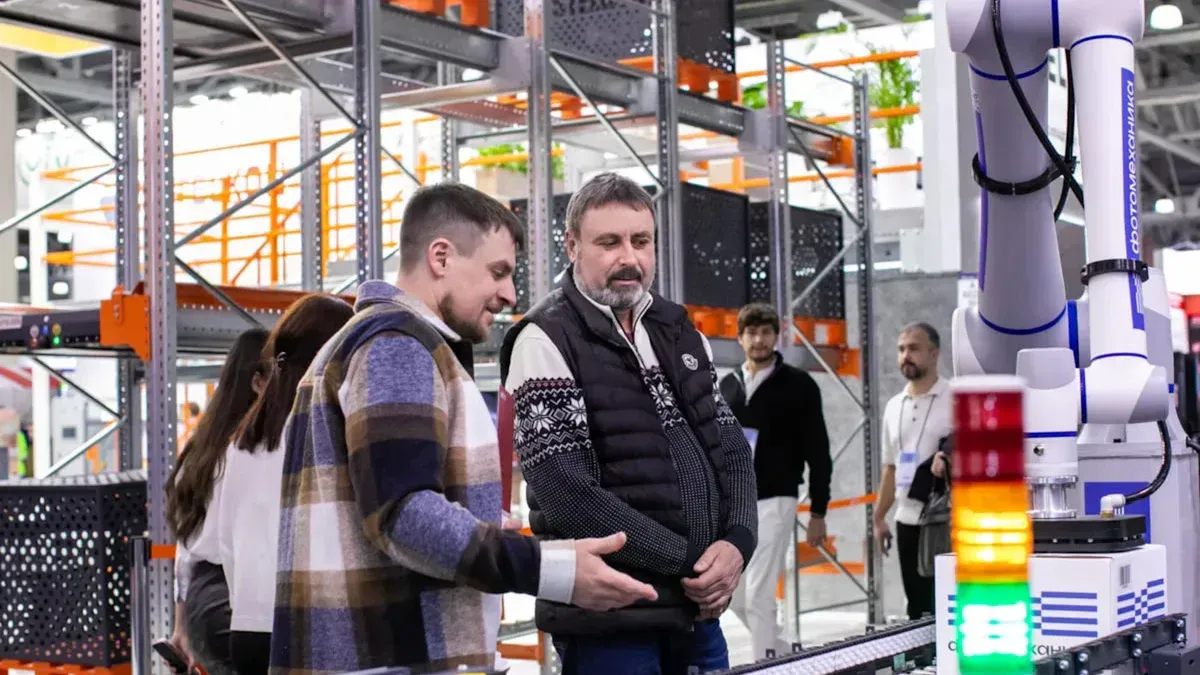
Mass production is when your custom refrigerator wire harness is made in large numbers. You need a good plan to make sure every harness is built right. Here is how you can set up a system that works well and is dependable.
Assembly
Workstations
You should set up your assembly line with clear workstations. Each station needs the right tools and simple instructions. This helps workers do one job at a time. It makes them faster and helps stop mistakes. Companies like Xiamen Kehan Electronics use special jigs and boards at each station. These tools hold wires and connectors in place. This way, every harness looks just like your design.
Training
You must teach your workers how to do their jobs. Training helps them use tools and follow each step. It also helps them find mistakes before they get worse. The Certified IPC Specialist program is a good example. It teaches workers how to crimp, solder, and check their work. When workers are trained well, they make fewer mistakes. This keeps your assembly line running smoothly.
Tip: Train your team often. This helps them learn new designs or changes fast.
Quality
Inspection
You need to check every harness for quality. Use both people and machines to inspect them. People can see problems with their eyes. Machines can test for electrical faults and keep records. Using both ways gives you quick results and digital records for each batch.
Defects
You may find some common problems during mass production. These include wires cut too short or too long, bad welds, molding mistakes, and trouble with heat shrink tubing. You can fix these by checking machines, training workers, and testing often.
Scalability
Volume Adjustments
You need to be able to make more or fewer harnesses quickly. Companies like Xiamen Kehan Electronics can speed up or slow down production as needed. This helps you avoid running out or having too many harnesses.
Flexible Systems
You need systems that let you switch between different harness types or order sizes. Machines and workstations that can change fast help you do this. This keeps your production steady and ready for any changes.
Note: Having a flexible and scalable line helps you stay ahead and meet your customers’ needs every time.
Cost
Keeping costs low during mass production helps you compete. It also lets you give your customers good value. You should plan your budget and try to waste less. Xiamen Kehan Electronics uses smart ways to help you save money and work better.
Budget
You can spend less if you make good choices early. Here are some ways to save money:
Match Specifications to Real Needs
Only pick the features your refrigerator really needs. Do not add extras you will not use. This helps you avoid paying for things you do not need.Select Affordable Conductors
Use cheaper materials like tinned copper. These work well but cost less than fancy metals.Simplify Shielding and Overmolding
Look at your design again. If you can, use simpler shielding or overmolding. This makes your harness cheaper to build.Use Standard Connectors
Pick connectors that are easy to find and not special. Standard connectors cost less and are easier to get. This also helps you avoid waiting for parts.Work Closely with Your Manufacturer
Talk to your manufacturer early, like Xiamen Kehan Electronics. They can help you find ways to save money and work faster. You can fix problems before they get big.Design for Flexibility
Make your harness so it can change later if needed. Flexible designs help you upgrade and save money in the future.
Here is a table that shows these ways to save money:
Tip: Go over your design with your manufacturer before you start. This can help you find ways to save money you did not see before.
Waste Reduction
Cutting down on waste saves money and helps the planet. Here are some ways to waste less:
Automate Repetitive Tasks
Machines can cut, strip, and crimp wires very well. Automation means fewer mistakes and less wasted material.Standardize Workflows
Give workers clear steps to follow. Doing things the same way each time means fewer mistakes and less waste.Monitor Inventory Closely
Use systems to watch your parts. This stops you from buying too much and having leftovers.Recycle Scrap Materials
Collect wire pieces, insulation, and packaging to recycle. Recycling saves money and is good for the earth.Train Your Team Regularly
Teach your workers often so they make fewer mistakes. Training keeps everyone doing their best work.
By planning your budget and wasting less, your production line works better and costs less. These steps help you make good refrigerator wire harnesses and save money at the same time.
5. Post-Production Support
Troubleshooting
Common Issues
After your refrigerator wire harness leaves the factory, you might find some problems. Fixing these quickly helps your appliances work and saves money. Here are the most common issues:
Connectors can be loose or damaged. This causes faults that come and go.
Vibration or sharp edges can wear insulation. This leads to shorts or broken circuits.
Wires may be routed wrong or have errors. This messes up signals.
Moisture or tough environments can cause corrosion. Terminals get worse over time.
If strain relief is not done right, cables get stressed. Joints become weak.
You can see these problems in the table below:
Diagnostics
You can fix most harness problems by checking step by step:
Look at connectors to see if they are loose or rusty.
Check wires for wear or exposed metal.
Use a multimeter to test for breaks and voltage drops.
Look at wiring diagrams to find wrong wires or errors.
Check strain relief spots for stress or broken parts.
Tip: Write down what you find. This helps you spot problems that happen often and share fixes with your team.
Maintenance
Service
Regular service keeps your wire harness working well. Plan checks for connectors, wires, and insulation. Clean terminals so they do not rust. Change bad parts before they cause bigger trouble. Brands like QL Custom and Romtronic say routine checks help harnesses last longer.
Parts
Keep extra connectors, wires, and insulation ready. Only use certified parts from trusted suppliers like Xiamen Kehan Electronics. Having good parts close by helps you fix things fast and keep appliances working.
Feedback
Collection
Get feedback from users and technicians. Use surveys, service reports, and talking to people to learn about harness problems and how they work.
"We keep learning new technology and skills by talking with experts and scholars. We also collect feedback from users and market needs to make our products better."
Improvement
You can use feedback to make your wire harnesses stronger. Look at common complaints and service data. Change designs to fix problems that happen a lot. Work with your manufacturer, like Xiamen Kehan Electronics, to use new materials or ways to build. Improving your harnesses helps them stay reliable and meet what customers want.
Note: Good post-production support builds trust and keeps appliances working. Troubleshooting, maintenance, and feedback help you give quality every time.
You build a Custom Refrigerator Wire Harness step by step.
You plan, test, and check to make sure it works well.
You make each stage connect smoothly for good results.
You help your products after they are made and listen to feedback.
You make your harnesses better using what customers say and industry rules.
Xiamen Kehan Electronics helps you get wire harnesses that work well and last.
FAQ
What is a custom refrigerator wire harness?
A custom refrigerator wire harness links all the electrical parts inside your refrigerator. It is made just for your appliance. This makes your refrigerator safer and helps it work better.
Why should you choose Xiamen Kehan Electronics for wire harnesses?
Xiamen Kehan Electronics gives you expert design and strong quality checks. Their team helps you follow safety rules. They also give you fast help and harnesses that fit your needs.
How do you know if your wire harness meets safety standards?
Look for UL, CE, or VDE certifications on your harness. Xiamen Kehan Electronics gives you all the papers and test results you need. This helps you know your harness is safe.
Can you order small or large quantities?
You can order just a few or many harnesses. Xiamen Kehan Electronics lets you buy small custom orders or big batches. This gives you choices for your business.
What materials do you find in a refrigerator wire harness?
You will see copper wires, PVC or silicone insulation, and plastic connectors. These parts can handle heat, water, and chemicals. This helps your harness last longer.
How do you fix a faulty wire harness?
Check the connectors, wires, and insulation for any damage. Use a multimeter to test the circuits. Change broken parts with certified ones from Xiamen Kehan Electronics.
How long does it take to design and produce a custom harness?
It takes a few days or weeks to make a design and prototype. Mass production starts after you say yes. Xiamen Kehan Electronics works fast to meet your schedule.
What support do you get after buying a wire harness?
You get help with fixing problems, tips for care, and quick replacement parts. Xiamen Kehan Electronics keeps helping you so your appliances keep working well.