


- Home
- >
News
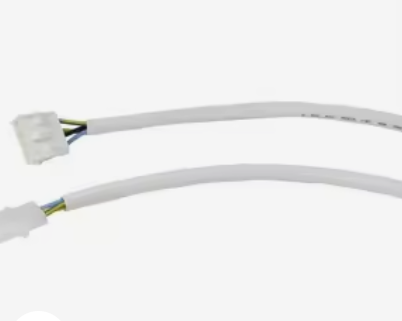
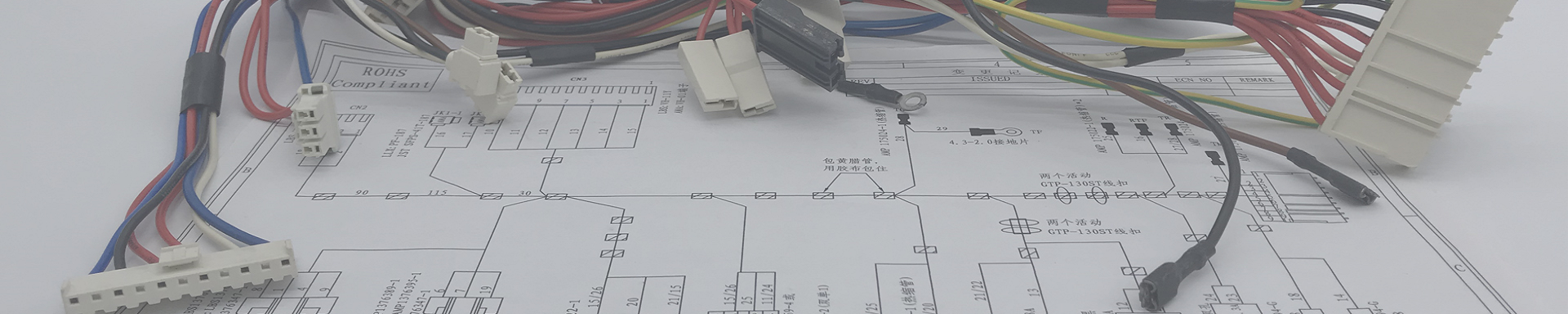
When you pick a Refrigerator Wire Harness supplier in China, you need to use clear rules. Look for real certifications. Make sure they have good experience making these products. They should have strong quality checks. Check where the materials come from and if they are good. Make sure the harness fits your appliance needs, like wire size and shape. Look at their choices for custom work and if it works with your machine. This helps you avoid expensive mistakes. Start with these steps to find a reliable manufacturer.
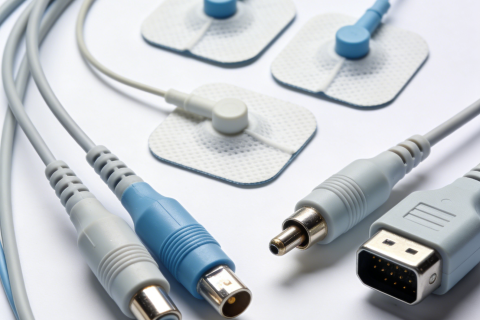
Types of Connectors Used in Medical Devices and Their Key Role in Wire Harnesses Medical devices of various sizes and forms rely heavily on connectors to ensure safe and reliable power transmission, high-speed data transfer, and precise fluid management. Many medical-grade connectors must meet stringent standards, including biocompatibility (ISO 10993), environmental sealing (IEC 60529), and electromagnetic interference (EMI) resistance (IEC 60601-1-2).
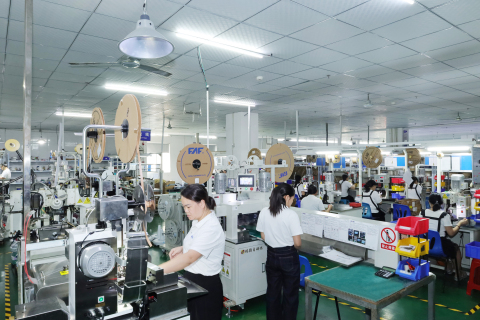
In a professional wire harness manufacturing factory, every custom wire harness is produced following a rigorous, standardized manufacturing process. From raw material receiving to finished product shipping, each step is carefully designed and strictly controlled to ensure that the final wire harness assembly meets the highest quality and reliability standards. Below is our detailed manufacturing process guide as a professional wire harness assembly supplier.
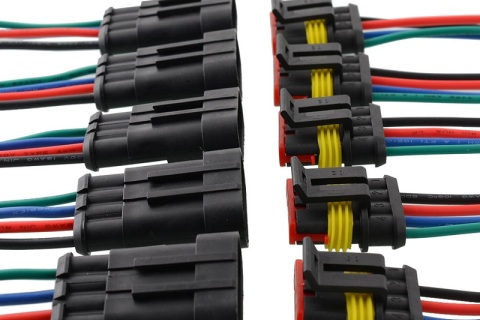
In modern electronic devices, connectors play an indispensable role. They are responsible for transmitting power or signals between different circuits or devices. Do you understand the basic structure of a connector, the function of each part, and the principles behind these designs?
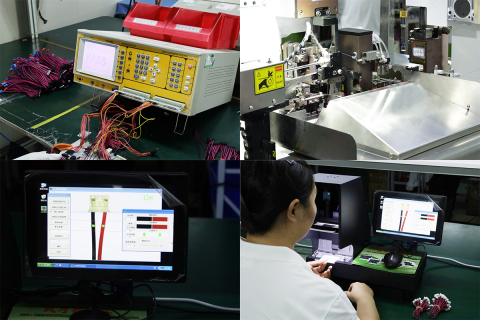
In today's interconnected world, a single faulty connection can bring complex machinery to a halt or compromise critical safety systems. Wire harness testing is the invisible shield that protects manufacturers, engineers, and end-users from the consequences of electrical failure.
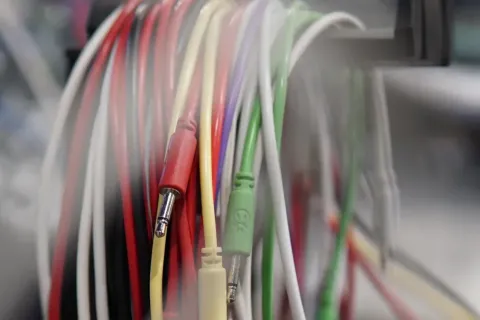
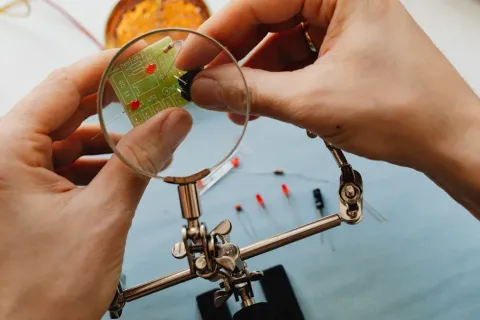

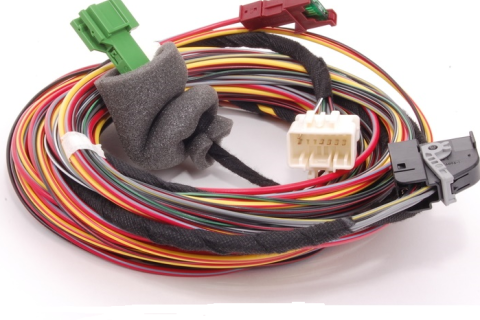
Abstract: In high-speed, high-density modern electronic systems, cable assemblies have evolved from simple conductive pathways into critical factors affecting overall system performance and reliability. This article aims to provide an in-depth technical guide that goes beyond basic operational steps, delving into the engineering principles, materials science, and quality control points behind shielding grounding processes. It offers a systematic reference for designing highly reliable, high Electromagnetic Compatibility (EMC) interconnection solutions.
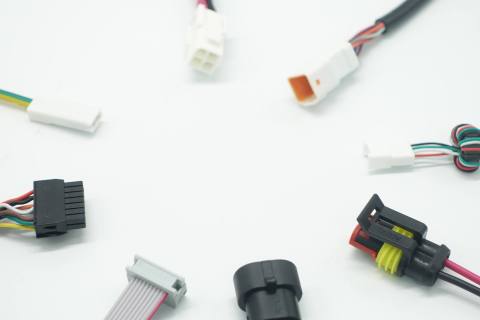
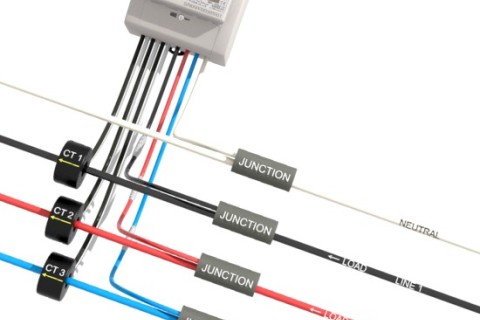
Abstract: Electrical connectors serve as the critical bridges for signal transmission, power delivery, and subsystem interconnection within electronic and electrical systems. Their widespread application across aerospace, defense, maritime, automotive, and industrial sectors makes long-term reliability a paramount concern for end-users. Industry studies indicate that up to 70% of electronic system failures originate from component-level issues, with connectors being responsible for nearly 40% of these component-related failures. This underscores the critical importance of connector reliability. This paper provides a systematic analysis of prevalent electrical connector failure modes, drawing on field data and failure analysis reports. It details underlying mechanisms and proposes a comprehensive framework of mitigation strategies and best practices to enhance connector performance and system integrity.