


- Home
- >
News
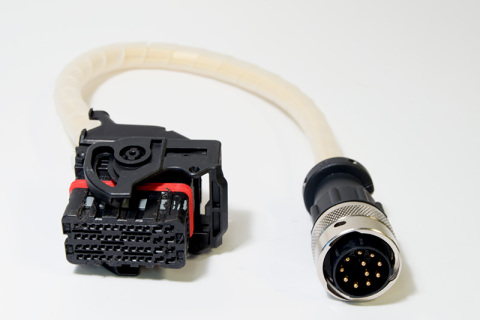
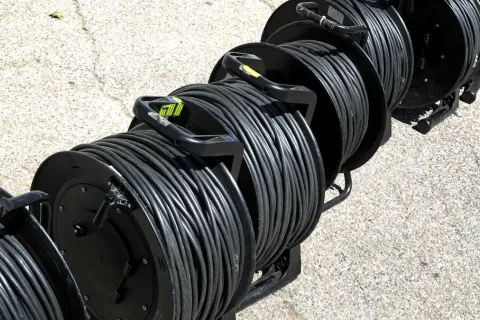
Last spring a customer sent us a harness from his old supplier and asked what was wrong with it. The complaint was hum. Not loud hum, but enough that his installed conference room mics picked it up. We cut the boot off one XLR and found the problem in about ten seconds: the shield had been soldered to pin 1 with a three-centimeter pigtail, and the drain wire had been twisted into a neat little antenna sitting right next to the hot pin. That is what this article is about. Audio harnesses are not hard to build badly. They are hard to build so they stay quiet in a rack, on a stage, or inside a powered speaker that gets trucked across a country twice a month. We build custom audio cable assemblies and speaker wire harnesses for pro audio, installed AV, and hi-fi OEM customers out of our factory in Xiamen, and this is everything we have learned about getting it right.
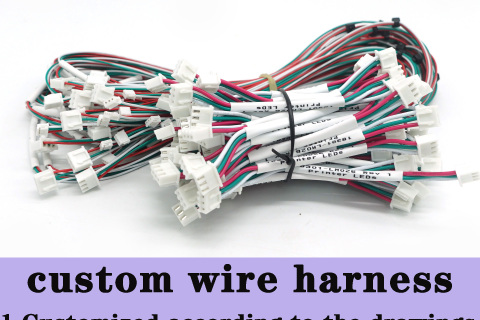
Here is a scene we see every few weeks. An engineer emails us a drawing, then follows up an hour later because his line is down. The supplier before us shipped a batch of connectors that were "JST-compatible" but turned out to be anything but. Pins would not seat. Housings cracked. His PCB was already sitting in the wave solder machine. We have built JST and Molex harnesses for ten years now, for kiosk terminals, battery packs, energy storage cabinets, 3D printers, you name it. This guide is basically everything we learned the hard way, so you do not have to. In this guide: JST and Molex series, with the numbers that actually matter (pitch, current, wire size) JST vs Molex: an honest comparison, because neither brand wins everywhere How a custom JST wire harness gets built, step by step, no shortcuts Wire, stripping, crimping, and the tests that catch a bad crimp before it ships Where these harnesses actually fail in the field, and what to do about it A spec template you can copy into your next RFQ Table of Contents
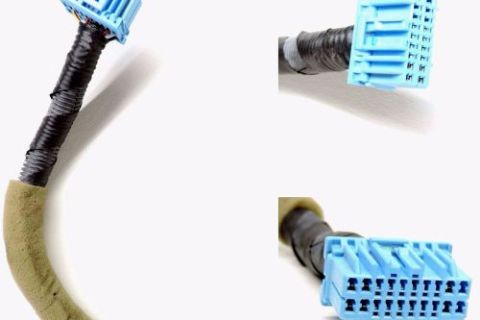
Custom RC Car Wiring Harnesses — Because the Off-the-Shelf Stuff Never Fits Right
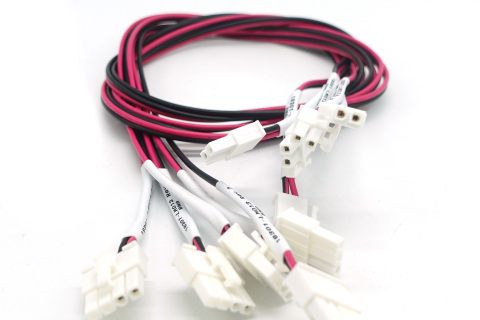
Custom Electronic Component Wire Harness: Precision Cable Assemblies for PCB, Sensors & Industrial Electronics High-Precision Custom Wiring Solutions for Electronic OEMs — From Prototype to Mass Production, Engineered for Signal Integrity, Space Constraints, and Reliability ✓ ISO 9001:2015 Certified | ✓ IPC/WHMA-A-620 Class 2 & 3 | ✓ UL / CE / RoHS / REACH Compliant | ✓ 100% Continuity + Hi-Pot Tested | ✓ Fine-Pitch Connector Expert (JST, Molex, TE, Hirose, JAE, I-PEX) | ✓ Free DFM Review | ✓ 5-Day ECO Turnaround
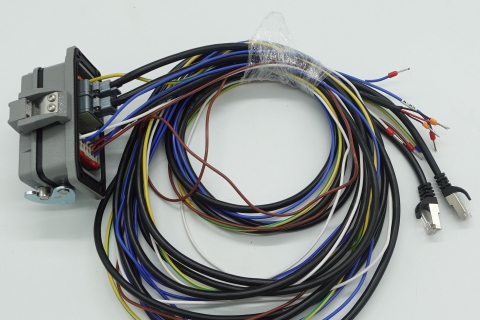
Why Metro X-Ray & Railway Detection Systems Demand Industrial-Grade Harnesses
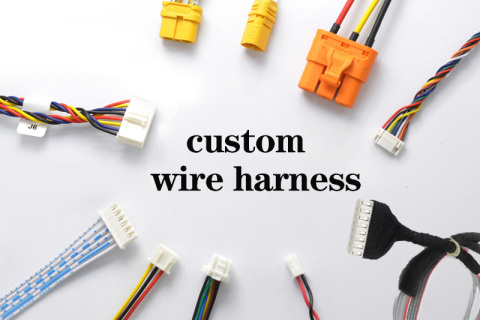
How We Go From Your Drawing to Delivered Harnesses — Transparently, Efficiently, and Without Surprises ✓ ISO 9001:2015 Certified | ✓ Free DFM Review | ✓ Prototype in 7–10 Days | ✓ MOQ from 100 pcs

1. Why Display Harnesses Demand a Specialized Supplier Small and medium displays — from 3.5-inch industrial HMI panels to 21.5-inch medical monitors — sit at the intersection of high-speed signal transmission, mechanical durability, and strict EMC compliance. The wire harness connecting your display to its driver board, backlight inverter, or system controller is not a passive cable; it is an active part of your signal chain.
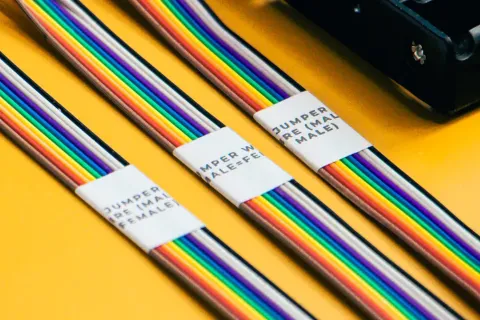
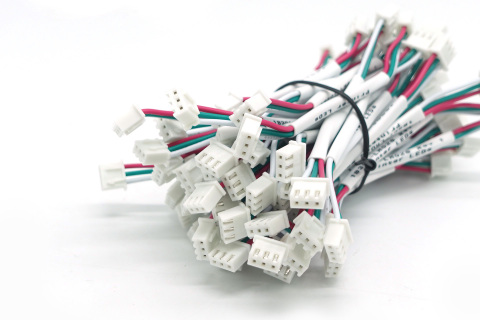
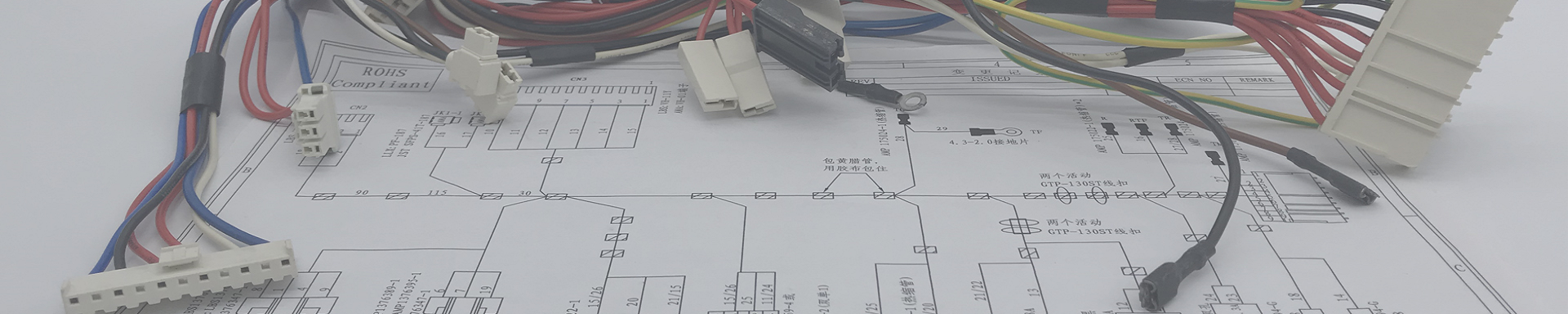
1. What Is a Wire Harness? A wire harness — also known as a wiring harness, cable harness, or wiring loom — is an organized set of wires, cables, and connectors that transmit electrical power and signals throughout a machine, vehicle, or electronic system. By bundling multiple wires into a single assembly, a wire harness dramatically reduces installation time, minimizes the risk of short circuits, and ensures consistent, reliable electrical performance. Modern wire harnesses are engineered to precise specifications. Every conductor gauge, insulation material, terminal type, and routing path is determined during the design phase to meet the exact electrical and mechanical requirements of the end application — whether that's a passenger vehicle, an industrial robot, a piece of medical equipment, or a commercial aircraft.