


News
1. Why Display Harnesses Demand a Specialized Supplier Small and medium displays — from 3.5-inch industrial HMI panels to 21.5-inch medical monitors — sit at the intersection of high-speed signal transmission, mechanical durability, and strict EMC compliance. The wire harness connecting your display to its driver board, backlight inverter, or system controller is not a passive cable; it is an active part of your signal chain.
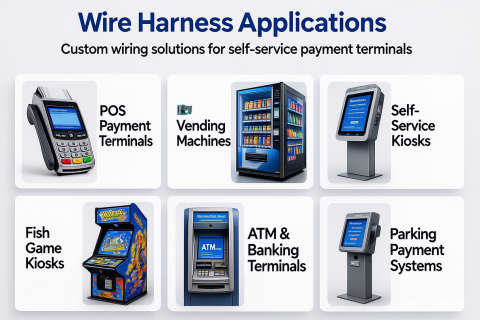
Custom Wiring Harness Solutions for Self-Service Kiosk & Payment Terminal Manufacturers Case Studies: How We Help POS Machine, Vending Machine & Fish Game Kiosk Manufacturers Scale with Reliable, Custom-Built Wire Harnesses
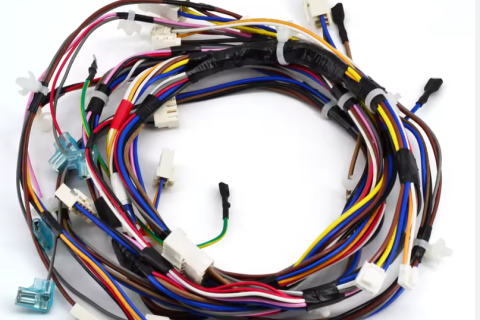
When you look at OEM vs ODM refrigerator wire harnesses, your choice depends on what matters most to you. Maybe you care about budget or need a custom solution fast. Think about these priorities: Budget Customization Time-to-market
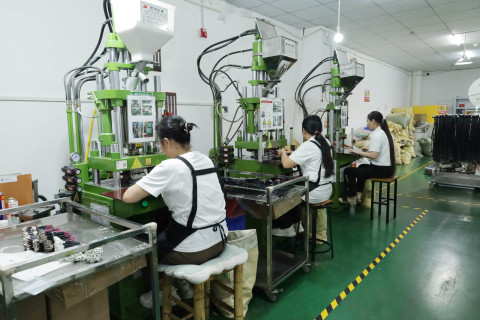
1. What Is Wire Harness Overmolding? Wire harness overmolding (also called connector overmolding, cable overmolding, or insert molding) is a manufacturing process in which a thermoplastic or thermoset resin is injection-molded directly over a pre-assembled wire harness, connector, or cable termination. The result is a seamless, integrated assembly where the plastic shell, wires, and connectors are permanently fused into a single, robust component. Unlike traditional connector housings that are mechanically crimped or snapped onto a wire, overmolding creates a chemically and mechanically bonded interface. This eliminates gaps, entry points for moisture, and mechanical stress concentrations — making it the method of choice for demanding environments in automotive, industrial, marine, and outdoor electronics applications.