


- Home
- >
News
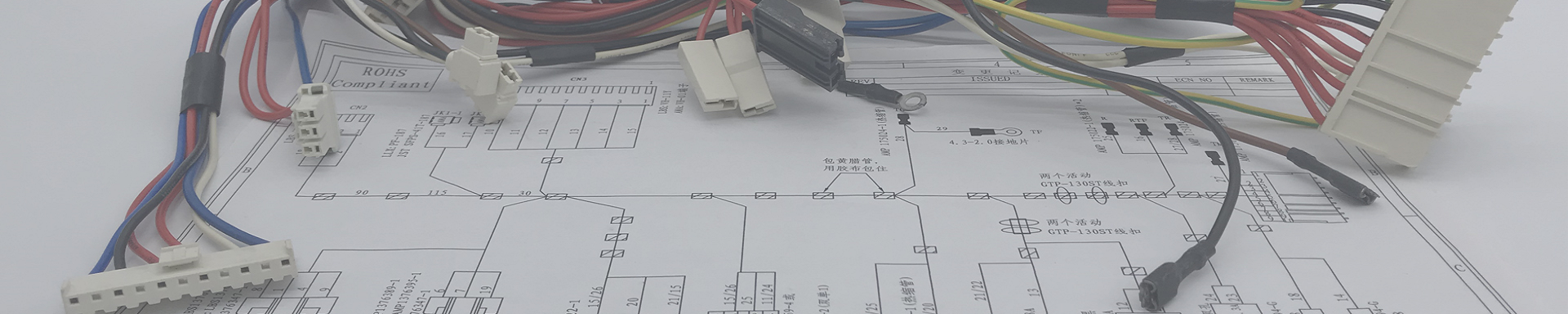
How We Go From Your Drawing to Delivered Harnesses — Transparently, Efficiently, and Without Surprises ✓ ISO 9001:2015 Certified | ✓ Free DFM Review | ✓ Prototype in 7–10 Days | ✓ MOQ from 100 pcs
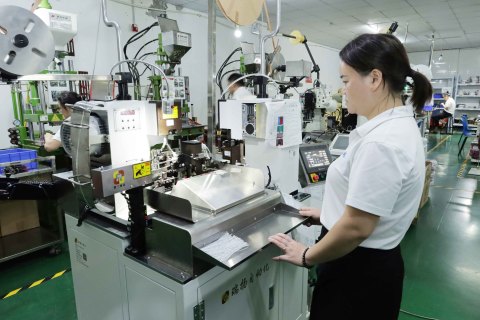
In the wire and cable processing industry, stripping is the "throat" of all operations. If this step is not done right, subsequent processes like crimping, soldering, and assembly become impossible. If we compare stripping to "undressing," then the conductor is the delicate "skin." Many times, a difference of just 0.01 mm in cutting depth can turn a perfect wire into a damaged reject — with nicked strands, broken wires, necking, and more. So, how do you strip insulation cleanly without damaging the copper underneath? This is not just about adjusting machine parameters — it is an art of micro-manipulation involving mechanics, geometry, and materials.
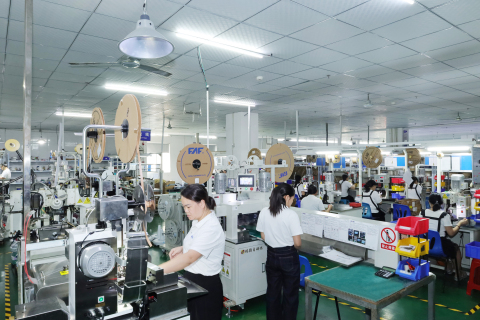
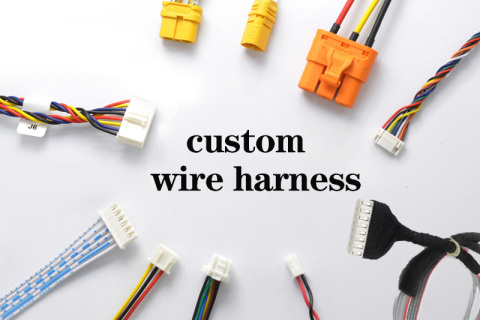
In a professional wire harness manufacturing factory, every custom wire harness is produced following a rigorous, standardized manufacturing process. From raw material receiving to finished product shipping, each step is carefully designed and strictly controlled to ensure that the final wire harness assembly meets the highest quality and reliability standards. Below is our detailed manufacturing process guide as a professional wire harness assembly supplier.
For any business involved in electronics, automotive, aerospace, or industrial manufacturing, understanding and adhering to wire harness crimping standards is non-negotiable. These standards define the precise methods for creating reliable mechanical and electrical connections between wires and terminals. For your independent brand, demonstrating expertise in these protocols is a powerful way to build professional trust with global clients. This guide breaks down the multi-layered framework of crimping standards, from universal guidelines to industry-specific mandates.