


- Home
- >
News
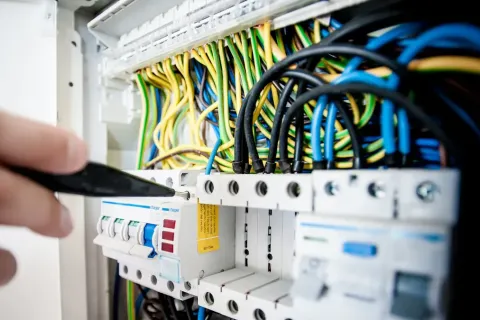

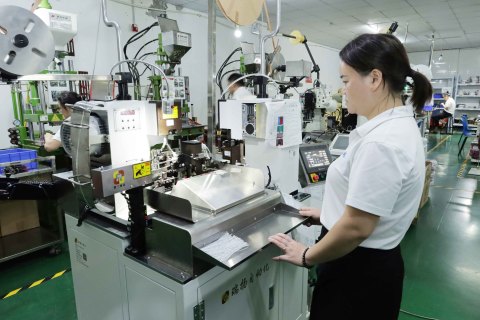
In the wire and cable processing industry, stripping is the "throat" of all operations. If this step is not done right, subsequent processes like crimping, soldering, and assembly become impossible. If we compare stripping to "undressing," then the conductor is the delicate "skin." Many times, a difference of just 0.01 mm in cutting depth can turn a perfect wire into a damaged reject — with nicked strands, broken wires, necking, and more. So, how do you strip insulation cleanly without damaging the copper underneath? This is not just about adjusting machine parameters — it is an art of micro-manipulation involving mechanics, geometry, and materials.
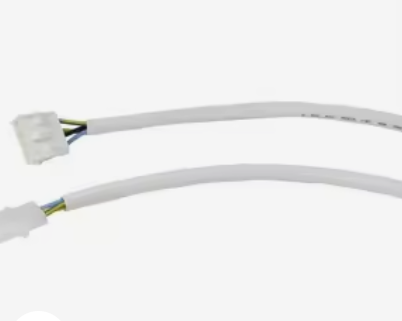
When you pick a Refrigerator Wire Harness supplier in China, you need to use clear rules. Look for real certifications. Make sure they have good experience making these products. They should have strong quality checks. Check where the materials come from and if they are good. Make sure the harness fits your appliance needs, like wire size and shape. Look at their choices for custom work and if it works with your machine. This helps you avoid expensive mistakes. Start with these steps to find a reliable manufacturer.
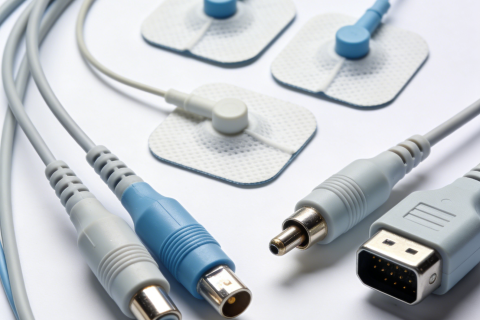
Types of Connectors Used in Medical Devices and Their Key Role in Wire Harnesses Medical devices of various sizes and forms rely heavily on connectors to ensure safe and reliable power transmission, high-speed data transfer, and precise fluid management. Many medical-grade connectors must meet stringent standards, including biocompatibility (ISO 10993), environmental sealing (IEC 60529), and electromagnetic interference (EMI) resistance (IEC 60601-1-2).
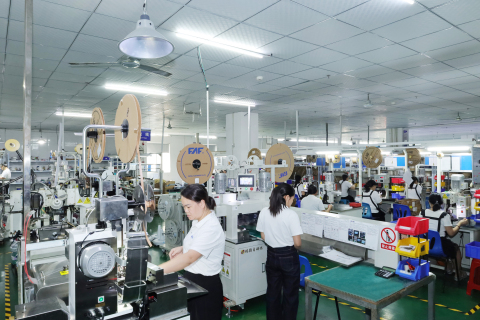
In a professional wire harness manufacturing factory, every custom wire harness is produced following a rigorous, standardized manufacturing process. From raw material receiving to finished product shipping, each step is carefully designed and strictly controlled to ensure that the final wire harness assembly meets the highest quality and reliability standards. Below is our detailed manufacturing process guide as a professional wire harness assembly supplier.
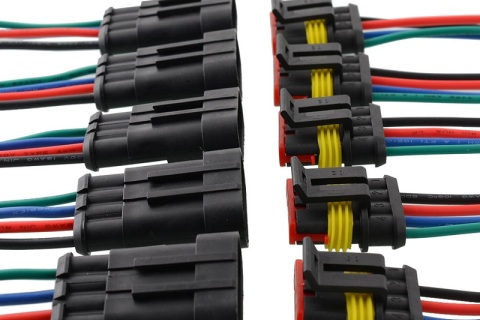
In modern electronic devices, connectors play an indispensable role. They are responsible for transmitting power or signals between different circuits or devices. Do you understand the basic structure of a connector, the function of each part, and the principles behind these designs?
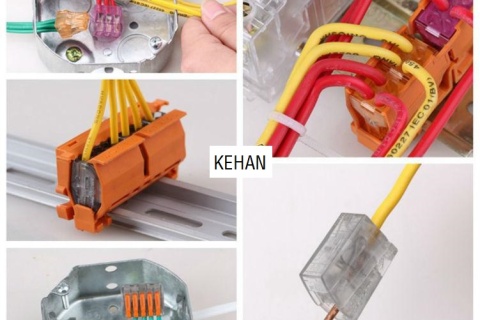
Terminals serve as the critical components within wire harnesses, enabling electrical connections and transmitting current and signals. The quality of their crimp joints directly determines the harness's overall reliability, durability, and safety. Based on structural design, terminals are primarily classified into two categories: open-barrel (or open-style) and closed-barrel (tubular). Open-barrel terminals are predominantly used in conventional low-voltage harnesses, where the crimping process is well-established and mature. In contrast, closed-barrel terminals, benefiting from their fully enclosed structure which provides superior mechanical strength, enhanced sealing, and improved vibration resistance, have become the mainstream choice for high-voltage harnesses in new energy vehicles. Concurrently, to meet the stringent electromagnetic compatibility (EMC) requirements of high-voltage systems, the crimping of shield rings has also emerged as an essential manufacturing process for high-voltage harnesses. This article aims to provide a detailed examination of the predominant crimping methods for tubular terminals and shield rings in high-voltage harnesses, offering professional guidance for process selection and quality control.
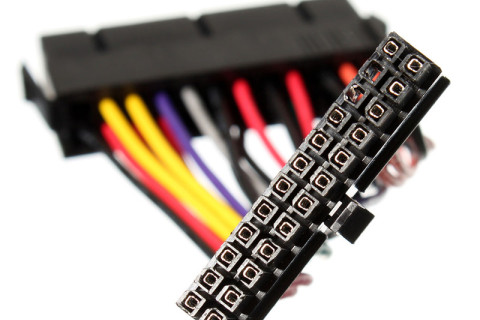
Flexible circuits have revolutionized the modern electronics industry, offering lightweight and bendable properties that bring unprecedented flexibility to product design. However, the termination technology used for flexible circuits directly impacts their reliability and service life. This article provides an in-depth analysis of three mainstream termination methods for flexible circuits: Zero Insertion Force (ZIF) Connectors, Unsupported Flexible Finger Structures, and Crimp-style Connectors, while also exploring the critical role of stiffeners in termination design.
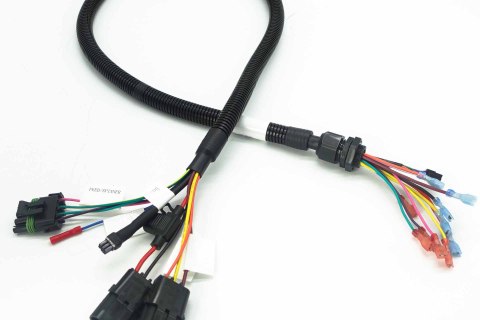
In the field of electronic wiring harness manufacturing, new brands are continuously emerging, creating a dynamic market landscape. However, the quality of products and services can vary significantly. True gold withstands the test of fire. Xiamen Kehan Electronics has been deeply rooted in the industry for over a decade and continues to earn customer trust by consistently cultivating and adhering to its core competencies. Today, we would like to share the fundamental reasons why Kehan has stood out in the competitive market and achieved steady growth.

Inside any electronic device's wiring, you will find metal conductors coated with a colored or transparent "jacket"—this is the wire insulation. Though seemingly thin, it fulfills three core missions: Prevents Leakage & Ensures Safety: Isolates the conductor from the external environment to prevent current leakage that could cause electric shock or equipment short circuits. Its dielectric strength directly determines its breakdown resistance (typically requiring values above 10 kV/mm). Resists Interference & Ensures Precision: Reduces signal crosstalk between different wires, especially crucial in high-speed data transmission scenarios where premium insulation minimizes signal loss. Withstands Environment & Extends Lifespan: Protects against external threats like high/low temperatures, chemical corrosion, friction, and vibration, serving as the "first line of defense" for wires in complex environments.
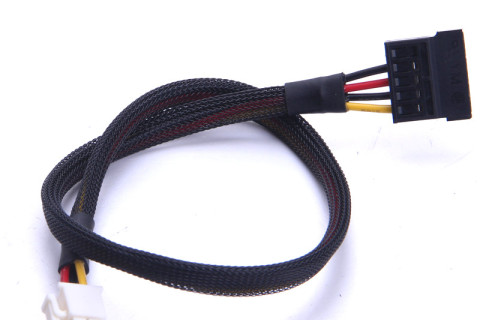
What Is a Fiberglass Wire Loom? A fiberglass wire loom consists of a braided sleeve made from glass fibers embedded in a high-temperature resin matrix. This structure is woven around conductors and an outer jacket, offering robust insulation and physical protection in demanding environments.