


- Home
- >
News
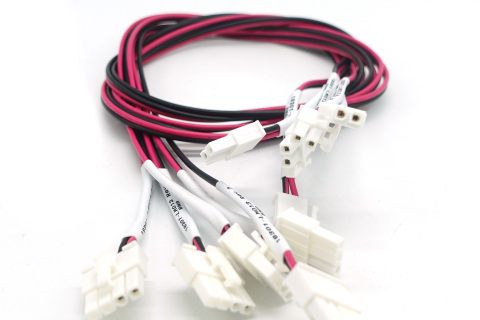
Custom Electronic Component Wire Harness: Precision Cable Assemblies for PCB, Sensors & Industrial Electronics High-Precision Custom Wiring Solutions for Electronic OEMs — From Prototype to Mass Production, Engineered for Signal Integrity, Space Constraints, and Reliability ✓ ISO 9001:2015 Certified | ✓ IPC/WHMA-A-620 Class 2 & 3 | ✓ UL / CE / RoHS / REACH Compliant | ✓ 100% Continuity + Hi-Pot Tested | ✓ Fine-Pitch Connector Expert (JST, Molex, TE, Hirose, JAE, I-PEX) | ✓ Free DFM Review | ✓ 5-Day ECO Turnaround
You need a Custom Refrigerator Wire Harness to link all electrical parts in your appliance. The best harness helps make products faster and better. Top companies like Xiamen Kehan Electronics give you a harness made just for you. Look at the table below to see how making things special and checking quality help make products safe and reliable:
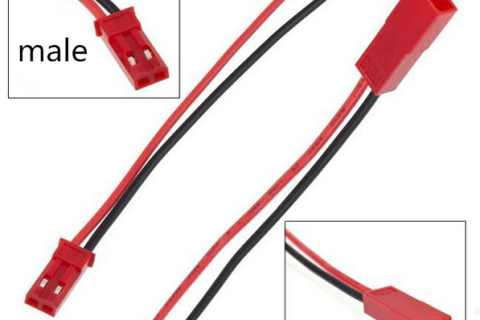
In the precise engineering field of wire harness manufacturing, terminal connections are the critical link determining the reliability, safety, and long-term stability of an entire electrical system. Whether it's an automotive wiring harness for the engine bay, an industrial equipment harness for factory automation, a medical device wire harness, or a new energy vehicle high-voltage harness, different connection methods are suited to specific application scenarios and stringent requirements. As a professional wire harness and connector manufacturer with years of industry experience, KeHan Electronics (KeHan Electronics) deeply understands the essence of each connection technology and translates it into the cornerstone for ensuring the excellent performance of our clients' products. This article will systematically analyze various wire harness connection methods and delve into how advanced processes, represented by crimping, provide flawless connection solutions for your custom wire harness projects through scientific management and precise control.
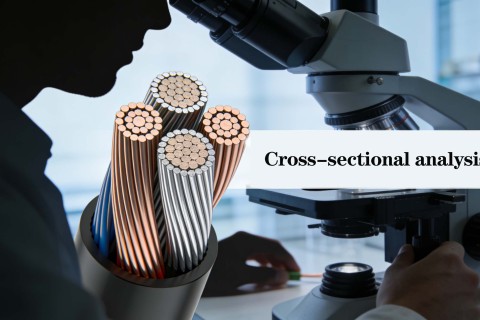
For any business involved in electronics, automotive, aerospace, or industrial manufacturing, understanding and adhering to wire harness crimping standards is non-negotiable. These standards define the precise methods for creating reliable mechanical and electrical connections between wires and terminals. For your independent brand, demonstrating expertise in these protocols is a powerful way to build professional trust with global clients. This guide breaks down the multi-layered framework of crimping standards, from universal guidelines to industry-specific mandates.
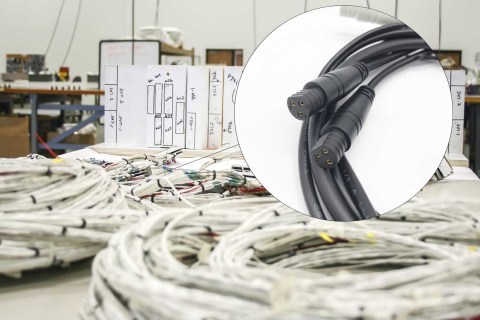
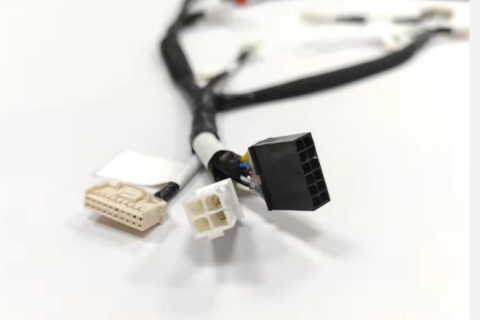
You often see the difference between wires and cables in electrical work. Wires have one insulated conductor. Cables have many conductors grouped together. This difference is important. Your choice changes how electricity flows, how you install it, and how much it costs.